Adolescents are in an ever-changing world. Their bodies are changing. Their brains are changing. Their social relationships are changing. Amidst all that change, it is not uncommon to find a smartphone that can sometimes amplify the challenges they face. The majority of adolescents in the United States have smartphones and use them often. If used correctly, they can help form an adolescent’s identity. Still, if not used carefully, they can create a world filled with anxiety and depression for your adolescent.
Adolescents and Their Search for Identity
Cognitive
Adolescence is a time of growth. As individuals go through adolescence, their bodies undergo physical changes and require adequate amounts of nutrition and sleep. Not having those things hinders their development and can affect their moods and school performance. Along with changes to their bodies, their brains are also maturing. As the brain continues to develop, adolescents can process more information abstractly. (Erford, 2017, p. 257) However, because the brain is still developing, adolescents aren’t always able to control impulses or process social and emotional information in healthy ways. This function won’t be consistent until the brain reaches maturity.
As the frontal lobe in their brain matures, they develop the ability to tackle complex problems. One aspect that they are growing in is their ability to understand why something is the way it is (conceptual Knowledge). (Erford, 2017, p. 259) This growth in adolescence is also tied to their understanding of social norms and a heightened focus on relationships. During adolescence, individuals begin to form their identity.
Search for Identity
With this formation of identity comes sensitivity to emotions and to how others feel and think about them. Pair this with a changing body and brain, early adolescence is a volatile time for many individuals. As an adolescent forms their identity, everything is taken into consideration. The way they look. The way others look at them. (Erford, 2017, p. 268) It is no wonder that at this time in an individual’s life, it is often filled with anxiety. The fear of not fitting in is a real struggle for most adolescents.
This constant desire to fit in and form one’s identity can often lead to depression. (Erford, 2017, p. 269) Understanding where depression comes from in this stage of an individual’s life is difficult because so many things are changing for an individual at this stage. Some of those changes included hormonal changes related to puberty, sleep patterns, and cognitive growth, which can lead to a pessimistic outlook on life. All of these can increase one’s risk of depression.
This is a difficult time in an individual’s life. Forming an identity is stressful and challenging. As adolescents seek to understand who they are, they turn not only to themselves but also to their peers for information. Embracing their unique characteristics can be challenging, especially when trying to fit in. This all takes place against the backdrop of navigating the social relationships that they are working to maintain.
The reality is that an adolescent often does all of this while slowly pulling themselves away from the structure of their family. (Erford, 2017, p. 275) It is common for the relationship between adolescents and their peers to become more important. This means that the emphasis that an adolescent places upon their family relationship decreases.
Adolescence is a time of significant change. Change in the body. Change in the brain. Change in the social relationships. Change is one’s understanding of self. All of the changes that an adolescent undergoes create an environment that makes them vulnerable to problematic mobile phone usage PMPU.
Cellphones and How They Fit In
The Good
The world at your fingertips. The reality is that a smartphone connects an individual to vast amounts of information. The days of a mobile phone being limited to just talking or texting are long gone. A smartphone is really a mobile computer that connects an individual to vast amounts of information recorded and stored on the World Wide Web.
Smartphones can have a tremendous impact on an individual’s life for the better. When used correctly, it is a powerful tool for bringing people closer together. It can allow an individual to speak to loved ones halfway around the world. It can bring memories halfway across the globe as grandparents and parents share videos of recitals and precious milestones. People can access information within seconds of it popping into their brains. Individuals can learn entirely new skills that benefit their everyday lives by watching videos or reading blogs. The smartphone allows people to encourage and express love even when physical distance is an obstacle.
These devices, which have so much power, are having a tremendous impact on the world and individuals. Two-thirds of humanity use a smartphone. These devices connect billions of people in truly impactful ways.
The Bad
With all this power comes great responsibility. The ability to connect with the world can, in some ways, be a great thing, but it can also lead to a world of hurt. As individuals connect to the world, they also open themselves to connections that can harm them. The reality is that studies show that many adolescents struggle to use their smartphones healthily. Some studies suggest that nearly one-third of the individuals involved in the study had Problematic Mobile phone use (PMPU, which is sometimes referred to as Problematic Smartphone use PSU). Combine that with the fact that two out of every three people in the United States use smartphones, and the risk is real. (Coskun & Muslu, 2019) Some studies have found that 87.5% of students use their smartphones to access the internet and social media. In another study, they found that 70% of teenagers use social media with a high risk of addiction.

Adolescents are connecting to the internet and are navigating social media. The more they have access to these avenues, the greater the likelihood they will fall into the PMPU category. The studies show a correlation between time spent on smartphones and dependence on them. The more an adolescent uses them, the more they want to. There is also a correlation between increased time on smartphones and decreased time spent with family. Some studies show an average of 5.5 hours of smartphone use per day. (Flett, 2025) With this level of exposure, the risk for adolescence is real. In one study, data showed that almost half of the adolescents checked their phones at least once every 30 minutes to view their social media profiles. (Coskun & Muslu, 2019)
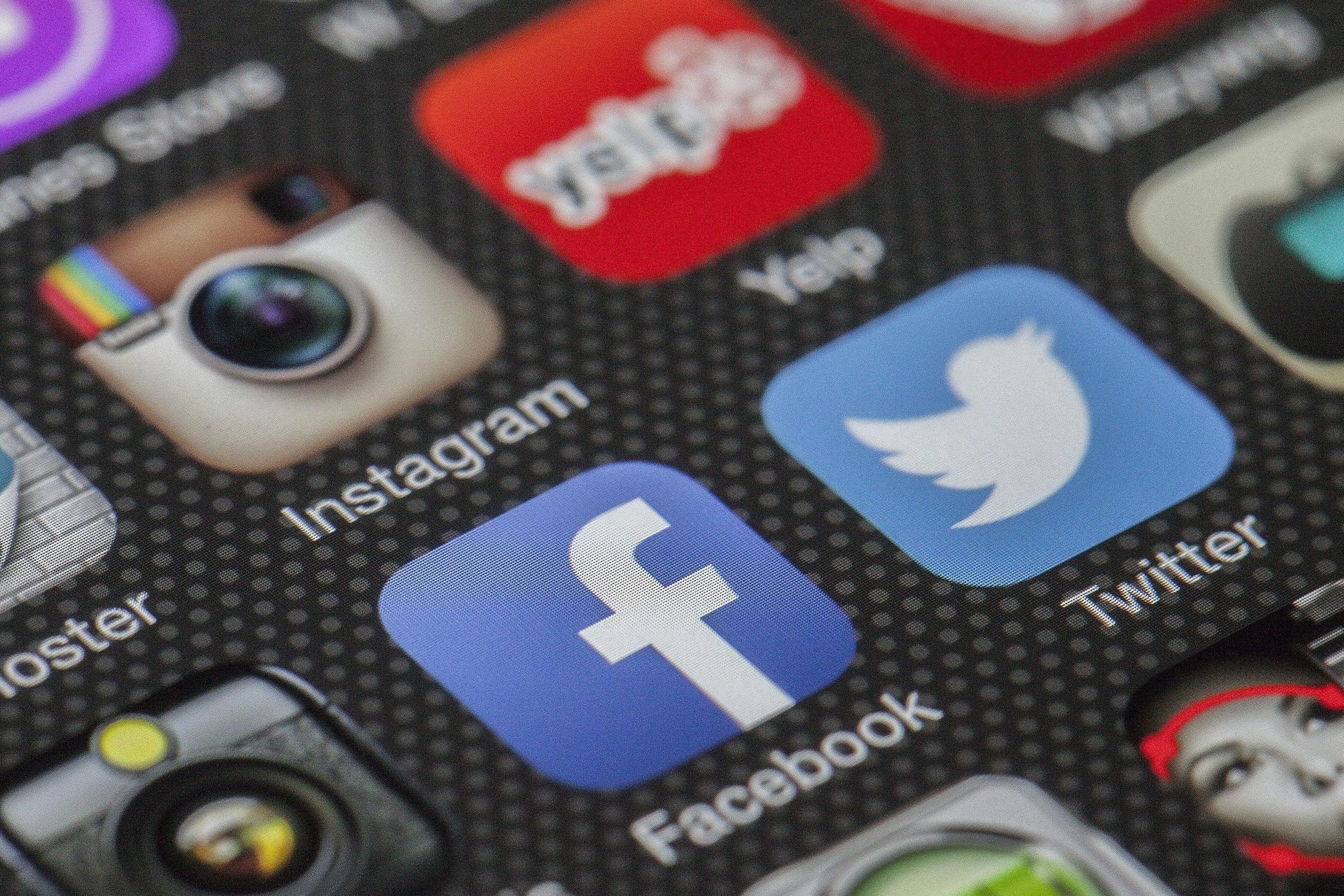
Just think about the applications adolescents use. Social media applications like Facebook, Instagram, X, and Snapchat are all designed to engage their users frequently. If notifications are on, there is a constant buzz; their social media profiles are pulling at them hundreds of thousands of times through a single week. Even if an individual is passively interacting with social media, it still has an impact. The applications are meant to keep users continuously using them. You pair this with a lack of impulse control, and the risk for PMPU is there.
The Ugly
The symptoms that go along with PMPU are vast and dangerous. The physical symptoms involve discomfort such as dry eye, soreness, or insomnia, as well as headaches. The Psychological symptoms are depression, anxiety, and suicide attempts. The Social symptoms are loneliness, self-esteem, and social anxiety. There is also a connection between PMPU and decreased academic performance. In some extreme cases, adolescents committed suicide.

Many studies suggest that the side effects of PMPU are similar to those of substance abuse. Many adolescents are at a prime time when PMPU can have a significant impact on their lives. With infrequent impulse control and a heightened desire to fit in and not miss out, adolescents are vulnerable to increased smartphone use, which increases their risk of falling into the PMPU category.
Most adolescents use some form of social media platform, which can be an avenue of encouragement, but oftentimes is a breeding ground for anxiety. As adolescents are bombarded with peers who seem to have their lives together, or as is sometimes called “perfect life”, the desire to compare themselves to others increases their anxiety. (Flett, 2025)
The bottom line is that connections made through smartphones cannot accomplish what in-person, face-to-face connections can. (Santana-Vega, Gómez-Muñoz, & Feliciano-García, 2019) Adolescents often turn to smartphone social interaction to ease negative emotions, but it just can’t offer what in-person communication can.
If you think this isn’t a problem, then you only need to look at what many governments around the world are doing in relation to this issue. This issue has caused sufficient concern for the U.S. Surgeon General and the American Psychological Association to issue an advisory. Their advisories primarily address social media use, but this is clearly connected to how adolescents use their smartphones.
What to Do?
Things To Look For
The signs to look for if an adolescent is struggling are.
- Excessive phone use.
- Anxiety when their phone is out of reach.
- dry eyes, soreness
- Trouble sleeping
- headaches
- Lower academic performance
- Withdrawal from people.
- Impatient, angry, or irritable
- Not able to stop using their phone.
One other thing that is worth mentioning is that it seems that adolescent girls are more susceptible to depression and anxiety. This seems to stem from a higher desire to fit in and a greater focus on the relationships that they maintain. It should also be noted that because of this heightened focus on relationships, it is fair to mention that several studies reveal that girls have a slightly higher tendency to have PMPU than boys. (Wolniewicz, Tiamiyu, Weeks, & Elhai, 2018)
Ways To Help
One of the first steps in helping your adolescent succeed is building a relationship with them. Check in with them regularly. While it is common that parents with adolescents see an increase in conflict, the reality is that during this time in an adolescent’s life, parents or caregivers need to provide structure, set limits, and be emotionally available. As they look to understand who they are, they must know that they matter in the eyes of the people close to them.

Helping them navigate this difficult time in their lives by being supportive and available goes a long way toward reducing PMPU.
The most significant way to help individuals struggling with PMPU is to set limits. Studies show a considerable increase in PMPU among individuals who use their smartphones for more than two hours a day. Set limits on which applications can be used and whether they can send notifications. Set a schedule that silences all notifications when it is time to sleep. Don’t allow them to take their phone to bed. Studies suggest that physically removing a phone from an individual helps them avoid being tempted to interact with it.
The research also suggests that some form of education on healthy smartphone use is helpful, along with Cognitive Behavioral Therapy. (Malinauskas & MALINAUSKIENE, 2019) CBT was shown to be the most effective in dealing with PMUP.
References :
Erford, B. T. (2017). An advanced lifespan odyssey for counseling professionals(1e ed.). Cengage Learning.
Santana-Vega, L., Gómez-Muñoz, A., & Feliciano-García, L. (2019). Adolescents problematic mobile phone use, Fear of Missing Out and family communication. [Uso problemático del móvil, fobia a sentirse excluido y comunicación familiar de los adolescentes] Comunicar, 27(59), 39-47. https://doi.org/10.3916/C59-2019-04
Wolniewicz, C. A., Tiamiyu, M. F., Weeks, J. W., & Elhai, J. D. (2018). Problematic smartphone use and relations with negative affect, fear of missing out, and fear of negative and positive evaluation. Psychiatry Research, 262, 618-623. https://doi.org/10.1016/j.psychres.2017.09.058
Flett, G. L. (2025). Social media use and the need to matter. Mattering as a core need in children and adolescents: Theoretical, clinical, and research perspectives (pp. 167-183, 303 Pages). American Psychological Association, American Psychological Association. https://doi.org/10.1037/0000449-011
Coskun, S., & Karayagız Muslu, G. (2019). Investigation of Problematic Mobile Phones Use and Fear of Missing Out (FoMO) Level in Adolescents. Community Mental Health Journal, 55(6), 1004–1014. https://doi.org/10.1007/s10597-019-00422-8
Malinauskas, R., & MALINAUSKIENE, V. (2019). A meta-analysis of psychological interventions for Internet/smartphone addiction among adolescents. Journal of Behavioral Addictions, 8(4), 613–624. https://doi.org/10.1556/2006.8.2019.72
Zhang, K., Lu, X., Zhang, X., Zhang, J., Ren, J., Guo, H., Zhu, Z., Yang, H., Yuan, G., Jin, G., Du, J., Shi, H., Hao, J., Sun, Y., Su, P., Yang, L., & Zhang, Z. (2023). Effects of Psychological or Exercise Interventions on Problematic Mobile Phone Use: a Systematic Review and Meta-analysis. Current Addiction Reports, 10(2), 230–253. https://doi.org/10.1007/s40429-023-00471-w
Yang, X., Liu, Q., Gao, L., Wang, G., & Liu, T. (2024). Linking Self-Esteem to Problematic Mobile Phone Use: A Moderated Mediation Model of Fear of Missing Out and Ruminative Subtypes. Behavioral Sciences, 14(8), 683. https://doi.org/10.3390/bs14080683
Infobase, film distributor, & PBS. (2019). The Smartphone [Video recording]. PBS,
Helpful websites:
 Adolescent PMPU
Leave a comment